Top-3 Reasons To Turn To Social Media Advertising
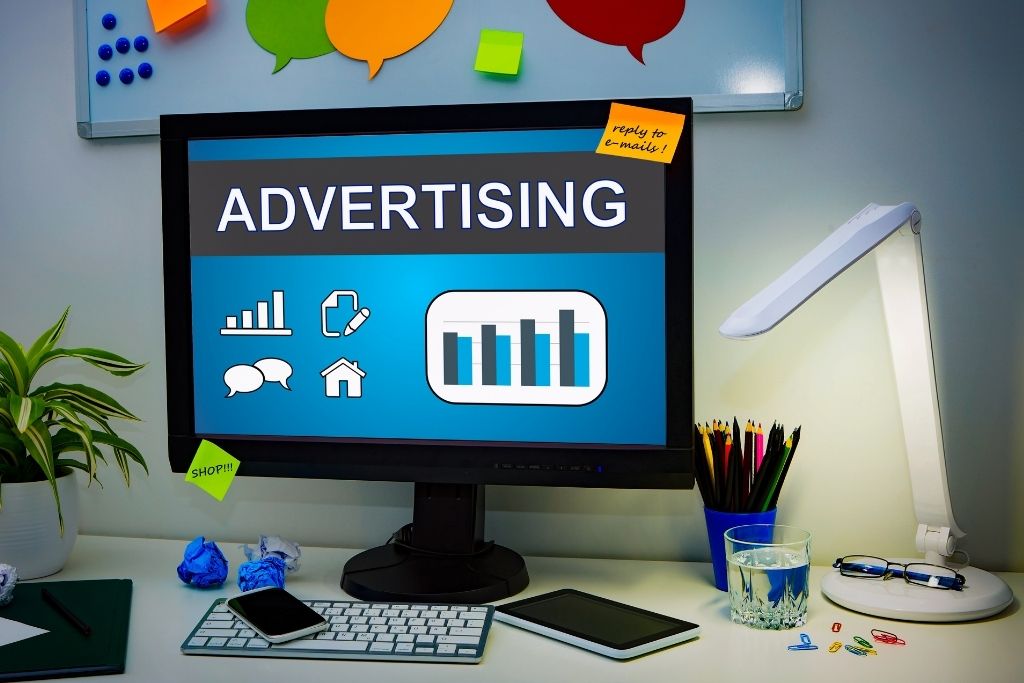
Modern businesses must adapt to changing consumer behavior, and social media advertising has become a powerful marketing tool. With billions of active users across platforms like Facebook and Instagram, brands can reach highly targeted audiences using advanced demographic and behavioral data. Social media also strongly supports e-commerce through built‑in shops, product tagging, and conversion tracking tools such as Facebook Pixel. In addition, diverse advertising formats across platforms like Facebook, Instagram, LinkedIn, Twitter, and YouTube allow businesses to align campaigns with specific goals and budgets. Combined with SEO and Google Ads, social media advertising delivers measurable ROI and should be a key part of any digital marketing strategy.
The need for newer marketing techniques and strategies is dictated by modern society, which requires keeping abreast of the latest trends. That is why the importance and impact of advertising on Social Media cannot be overstated. Conventional marketing tools like visual ads, TV/Radio still bear fruit, but not the way it used to and probably not the way you would like to either. So, there are a couple of valid reasons you should consider Social Media Advertising.
Reason #1: Though the primary reason for SM advertising is obvious from the first lines of this article, it should probably be stated once again. With or without a pandemic, everybody spends more and more time online, using some SM platforms, if not all. So, your potential customers are there just waiting for you. Facebook user statistics say that the number of active monthly users reaches a number of 2.8 billion. Two-thirds visit the platform on a daily basis, and they are aged under 35. Instagram reaches roughly 1.1 billion active users worldwide with the same age limits. These facts place Facebook as a top-2 advertising platform. Other platforms like YouTube, Twitter, LinkedIn, and even TikTok provide other advertising options to be utilized.
You simply need to find the right person on that SM sea. SM provides a range of tools for it. Based on demographics, location, education, online activity (Facebook Pixel is the key point here), etc your ad can actually reach anybody. Well, targeting even the most specific audience is the most beautiful thing about advertising on SM. What’s more, your competitors are already using it.
Reason #2: Social Media significantly encourages online shopping, especially if you sell physical products. Facebook and Instagram are no longer just entertainment apps and have become full-fledged business platforms. Online shopping gained momentum this year, so both platforms launched online shops, which made shopping and checking out much faster and easier without even leaving the platform.
Facebook Commerce Manager allows setting up an online shop and catalogs, and also gives access to statistics. Once your account is approved, you can download your catalogs. You can do it manually if you’ve got less than 50 items to sell. If you’ve got more, it’s better to use one of the options provided to do it automatically. Proper catalog setup gives you the option of paid advertising from there. In that case, your potential customer sees the price, website link, availability, and other characteristics. Your primary goal is to sell, so the “Conversions” objective is the right choice while setting up an ad campaign. Using Facebook Pixel and Facebook SDK for events makes tracking your website products much easier and boosts retargeting capacity.
Instagram focuses on beautiful pictures, so it gives you a chance to present your goods at their best. Once you set up a shop on it, you can tag your products on posts, IGTV videos, and stories. You just need to make sure that tags match actual pictures, so as not to get your customers frustrated. Here you have two promotion options – Facebook Business Manager and the “Promote” button to set up a campaign directly from Instagram. If you’ve got a Facebook Business Page, you can use Facebook Business Manager, which provides a wider range of advertising tools and much deeper insights.
The budget actually varies and depends on the products you sell, the market itself, the brand, etc., and needs extra testing on the marketers’ side. In a nutshell, the wider your audience is, the lower your cost per click becomes, but there is a risk of your ad becoming irrelevant to users. That’s why balance is crucial in this case. Operating on a meager budget requires some creativity, and using relevant hashtags might help.
Besides that, Instagram keeps adding more and more eCommerce tools and is testing product listings promotion on the Shop front page. When a customer clicks a sponsored product, the platform forwards them to the Product Details Page, where they can view additional pictures, if any are available. Users can share or save these sponsored products. And, after some testing, Facebook launched “Shops” as a single store on both platforms – Facebook and Instagram. SM giant also promised to provide businesses with a link to “Shops”, an extension to Page tools.
Some businesses cannot set up online shops, just because they simply do not sell physical goods. In that case, your website is an absolute must and becomes a pivotal tool in reaching your goal. To help you convert, you should meet certain criteria and optimize conversions. Learn more about website requirements that help improve conversions. You can reach even those customers who avoid Social Media, because they surf the net anyway or use other applications. Even WhatsApp is testing its Online Shops.
To cut a long story short, SM advertising works and provides a wide range of tools for tracking ROI.
Reason 3# Social media provides various Advertising formats. Different platforms provide different formats as well as promotion options.
- Facebook supports photo/video ads, stories, Messenger, carousels, and slideshows. Advertisers can advertise an Online shop product to a specific audience.
- Twitter promotes tweets, accounts, and image ads; it also supports video and app ads.
- LinkedIn supports sponsored content, InMail, text and video ads, etc. The most important thing about this platform is the job advertisement. Thus, you should select the promotion platform based on your audience, budget, and objective.
- YouTube and its advertising platform become even more important within SM’s shift to video content.
We cannot ignore the overwhelming influence of Social Media. You should never ditch SEO, as it continues to deliver results. A mixture of Google Ads and SM Advertising is the best option; the balance between the two just requires some testing. Surely, you don’t need to be a jack of all trades and be capable of defining your audience, optimizing your budget, and setting an ad campaign by yourself. You might seek help from a third party or hire a professional SM Manager. VAfromEurope Agency’s experience proves you should not ignore Social Media Advertising.
Modern businesses must adapt to changing consumer behavior, and social media advertising has become a powerful marketing tool. With billions of active users across platforms like Facebook and Instagram, brands can reach highly targeted audiences using advanced demographic and behavioral data. Social media also strongly supports e-commerce through built‑in shops, product tagging, and conversion tracking tools such as Facebook Pixel. In addition, diverse advertising formats across platforms like Facebook, Instagram, LinkedIn, Twitter, and YouTube allow businesses to align campaigns with specific goals and budgets. Combined with SEO and Google Ads, social media advertising delivers measurable ROI and should be a key part of any digital marketing strategy.