Data Privacy in BPO: Questions to ask
Designed for businesses in regulated industries, this article explains how BPO providers protect sensitive data through compliance, certification, and continuous monitoring – ensuring privacy and security in healthcare, finance, and technology outsourcing.
Data Privacy is the biggest challenge, especially in today’s climate of growing data regulation and cyber threats. No matter what industry you’re working in, Business Process Outsourcing (BPO) involves transferring and handling sensitive customer data.
Choosing a BPO provider is not just about cost efficiency – it’s about trust. Therefore, Data Privacy is a shared responsibility, and clients must ensure their outsourcing partner treats data with the same level of protection as they would. Hence, clients must carefully choose a BPO partner.
This universal checklist we’ve prepared can be applied to every type of business and will teach you the right questions to ask when turning to a BPO provider.
Compliance with the law
Compliance with data privacy regulations is essential in business process outsourcing. BPO providers often manage large volumes of confidential customer data on behalf of clients in various sectors, including healthcare, finance, and technology. Therefore, BPO providers must adhere to stringent international data protection standards.
In Europe, everybody should follow the General Data Protection Regulation (GDPR), since it is an example of data privacy. It governs how personal data must be collected, processed, stored, and transferred, with a strong emphasis on individual rights, transparency, and accountability. GDPR applies not only to organizations within the European Union but also to any company, including BPO, processing EU citizens’ data, regardless of location.
In the US, multiple sector-specific privacy laws govern data protection. Notably, the Health Insurance Portability and Accountability Act (HIPAA) mandates strict guidelines for the protection of Protected Health Information (PHI). BPO providers serving clients in the healthcare industry must ensure HIPAA compliance through administrative, physical, and technical safeguards that protect patient information from unauthorized access or disclosure. Additionally, laws like the California Consumer Privacy Act (CCPA) give consumers the right to know, access, and delete personal information that businesses collect. They also have the right to opt out of data sales. Achieving compliance in the BPO context involves more than just technical controls. This includes employee training, well-defined data handling procedures, continuous monitoring, and regular audits.
ISO 27001 Compliance in BPO
ISO 27001 is an international standard for information security management systems (ISMS). Within the BPO industry, ISO 27001 compliance shows a provider’s commitment to data privacy. It achieves this through structured risk management, secure data handling, and continual improvement. It involves implementing security controls, conducting regular audits, and ensuring staff are trained in information security practices. Achieving ISO 27001 certification enhances credibility, builds client trust, and helps meet global data protection requirements
Secure Data Storage/Transmission
In addition to compliance, secure data storage and transmission are pivotal to protecting client information and maintaining regulatory compliance. Data should be stored in encrypted databases and safeguarded with access controls to block unauthorized access. We should encrypt sensitive data during transmission using secure protocols such as SSL/TLS or VPNs to safeguard it from interception.
What’s more, regular security audits, firewall protections, and data loss prevention (DLP) tools further ensure that both storage and transfer of data meet industry standards. These measures are essential to keeping your data safe and avoiding costly data breaches.
Ongoing Staff Training
A consistent focus on staff training is vital for achieving and maintaining data privacy compliance in BPO. We must train employees on data protection policies and secure handling of sensitive information, and recognize phishing or social engineering. Training programs should cover relevant regulations such as GDPR, CCPA, and HIPAA, depending on the client’s jurisdiction. By fostering a culture of awareness and accountability, BPO providers reduce human error risks and strengthen overall data security.
Data Protection and Regular Audits
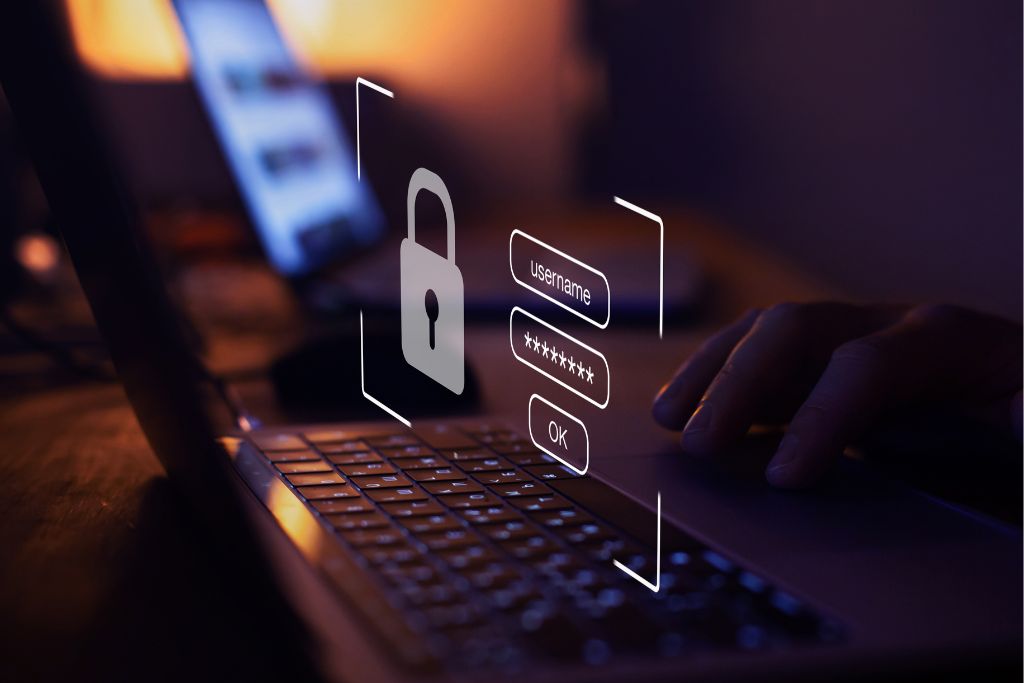
Data protection is vital in the BPO industry, where handling sensitive client information is a core function. BPO providers must implement robust security measures such as encryption, firewalls, multi-factor authentication, and strict access controls to prevent unauthorized access and data breaches.
Regular security audits are essential to assess vulnerabilities, ensure policy enforcement, and maintain compliance with data protection laws. Combined with clear protocols for data retention, disposal, and incident response, these measures help reduce risk and reinforce client trust.
Here at VAfromEurope, we know how to handle sensitive data, since we’ve been working in healthcare and the financial industry for years. Our company is ISO 27001, which means our specialists undergo training to meet the requirements of the standard. What’s more, according to the ISO 27001 requirements, we pass yearly audits. That is why our partners around the world trust us with their sensitive data. If you’re not sure where to start, just contact us.